PLANNING
The economics of automated berth planning
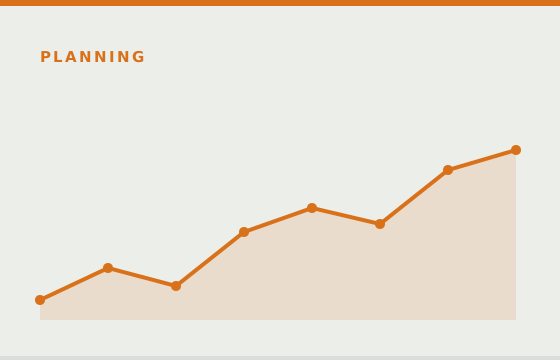
Berth capacity is the most expensive thing a port can add and the easiest thing to waste. Automated berth planning attacks the waste side first.
"An hour saved alongside is an hour of quay you never had to build." (Illustrative)
Allocating berth windows against tide, draft, crane availability, and the current yard state turns a static schedule into a plan that survives contact with the day. When one call slips, every downstream window is re-evaluated rather than manually re-drawn.
Where the return shows up
- Fewer idle crane hours between vessel calls
- Lower demurrage exposure on delayed calls
- Yard moves planned against the berth window, not after it
The payback is rarely one dramatic number — it is the accumulation of calls that simply went to plan.